







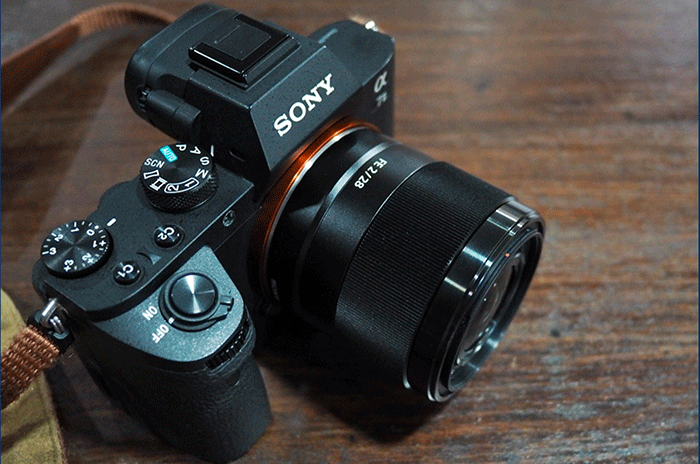
The new FE 28mm lens on the A7II: preorders on Amazon, Adorama, BHphoto. And Sony Germany, UK, FR, IT, ES, NL, BE, AT, CH, SE, FI, NO, PT.
Pantip just completed what is the first and only real world review of the new Sony 28mm FE lens. Pantip allowed me to repost some image samples. Many more can be seen on his site! Let’s start with his PRO and CONS list mentioned by the reviewer:
Pros:
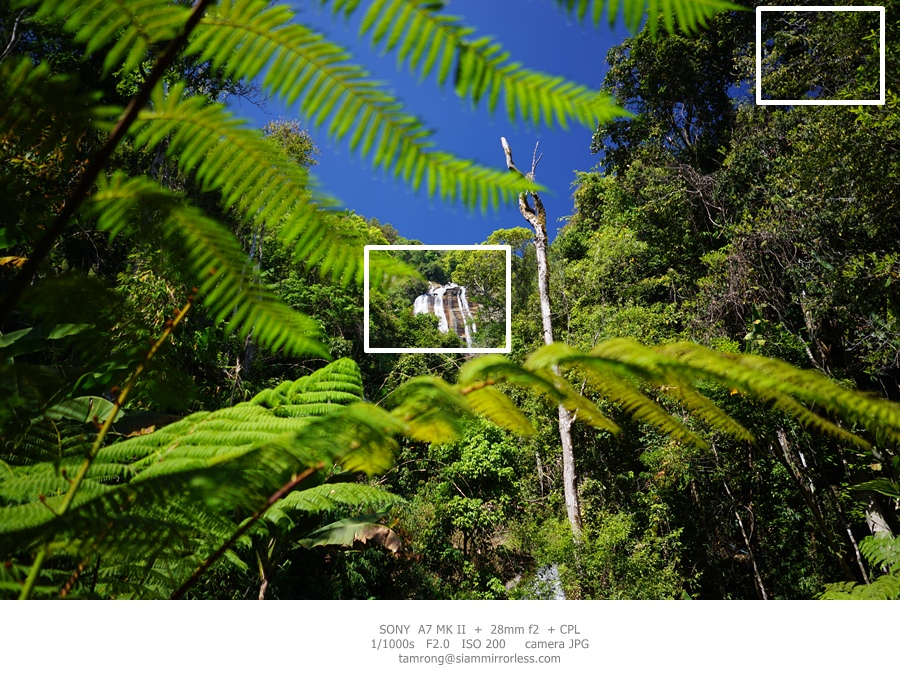
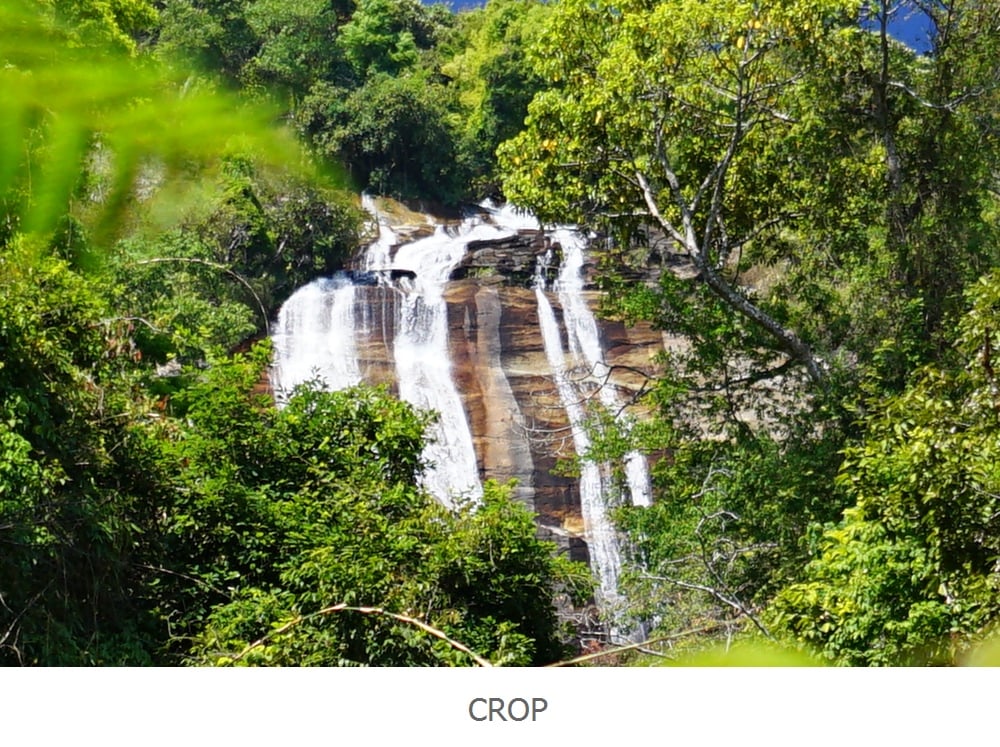
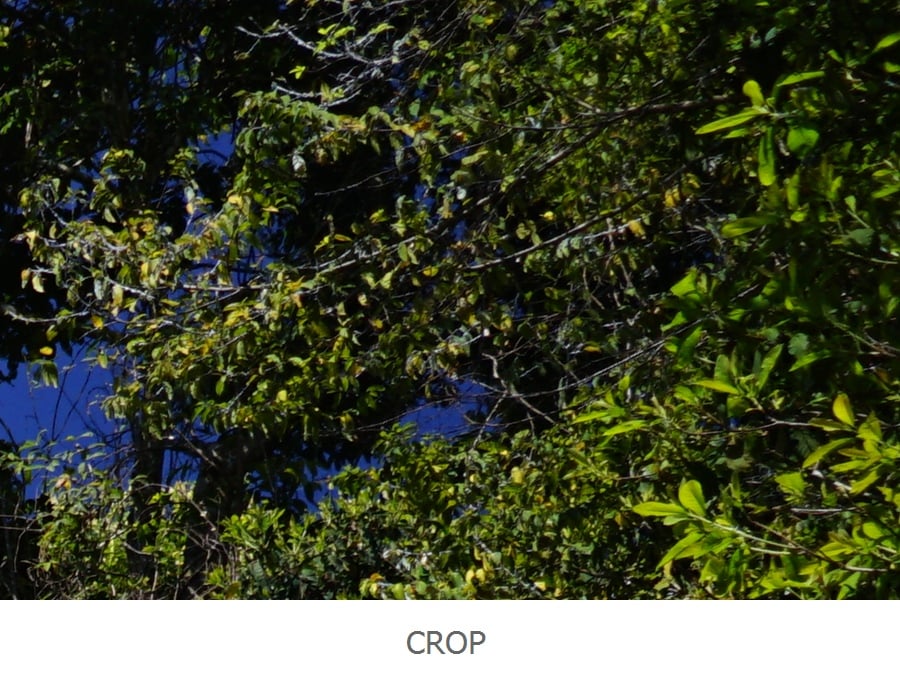
– Very sharp straight from the maximum aperture. At f/2.0 is sharp almost ont he entire frame (with very little loss on corners)
– Negligible distortion
– Very compact lens
– When using the converter EXIF data gets correctly transmitted
Disadvantages
– close focus point could be…closer
– The fisheye converter on the 28mm lens is quite heavy
– Not really a very good bokeh (but that’s something the lens is not designed for)
And now let’s take a look to some of the more “explicative” images:
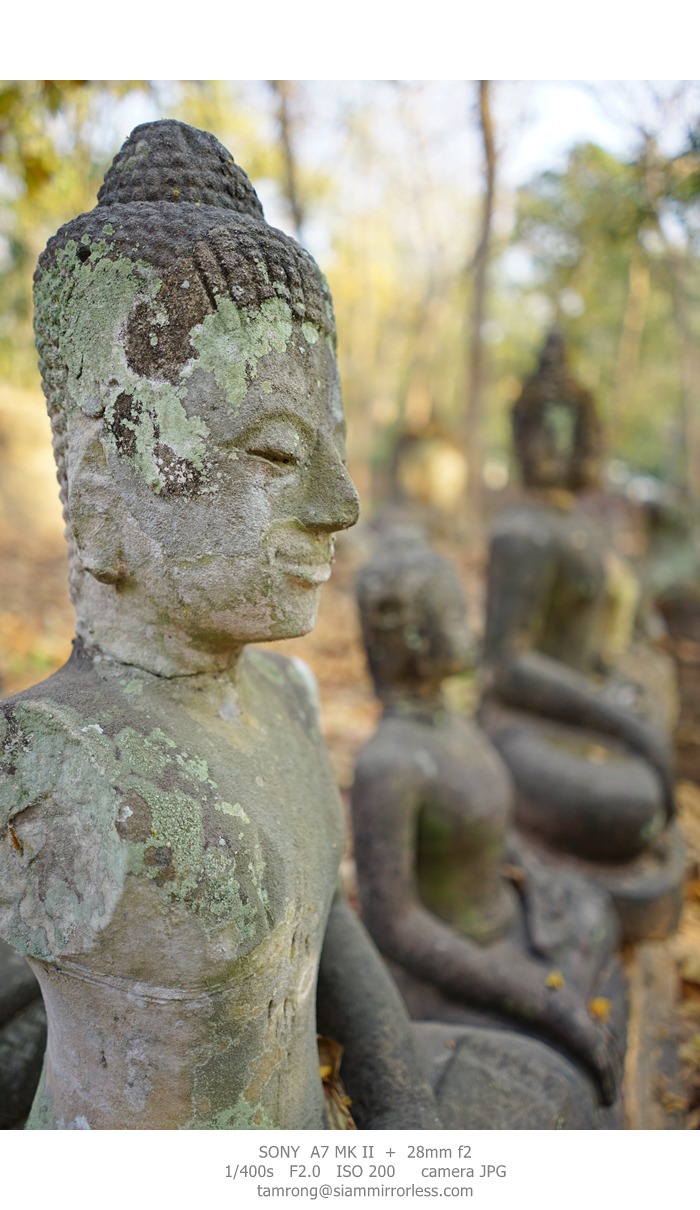
Sharpness test at f/2.0
Bokeh test:
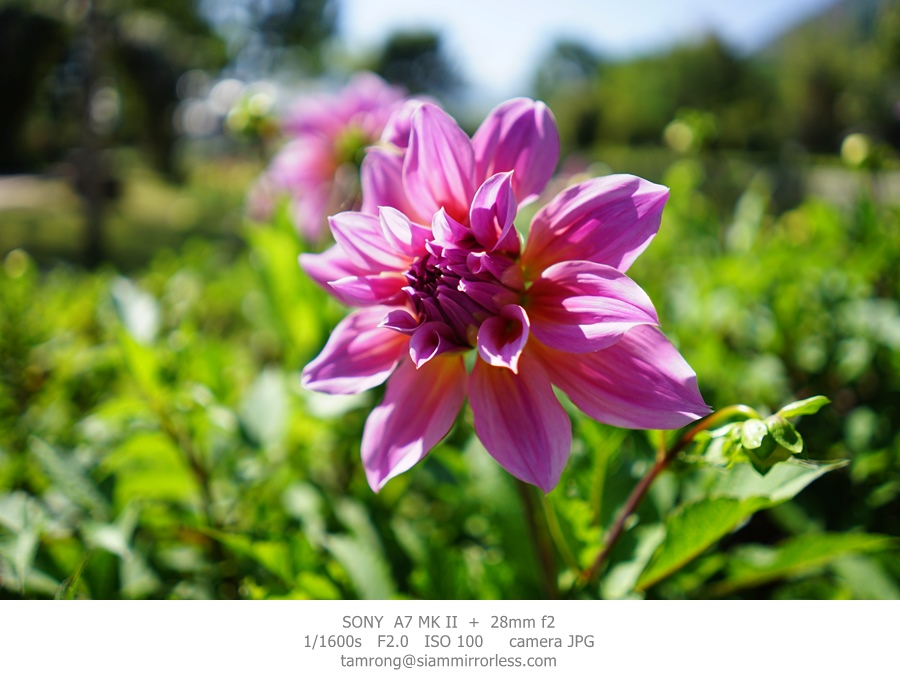
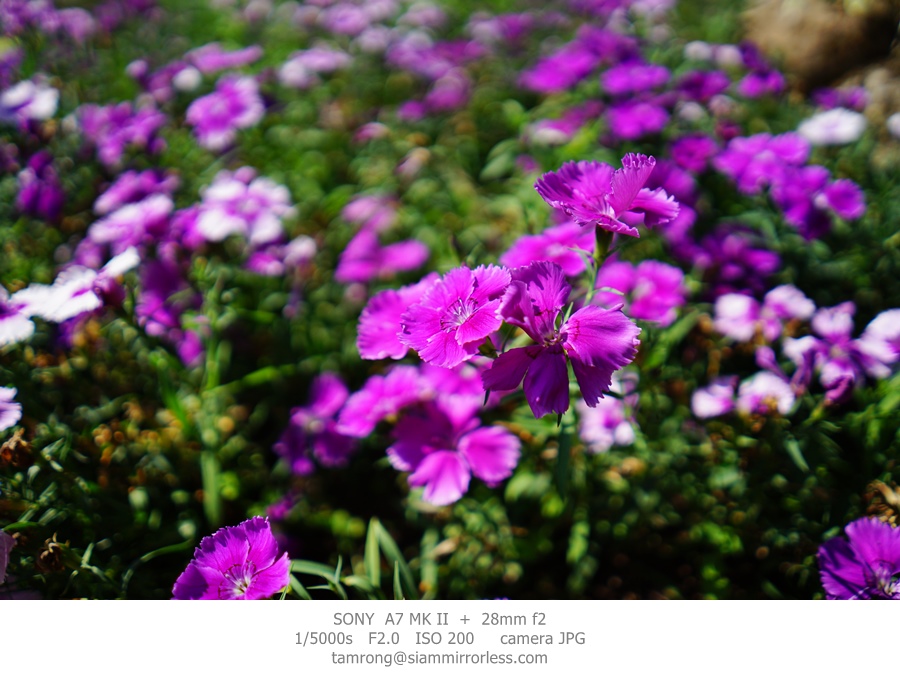
Distortion test
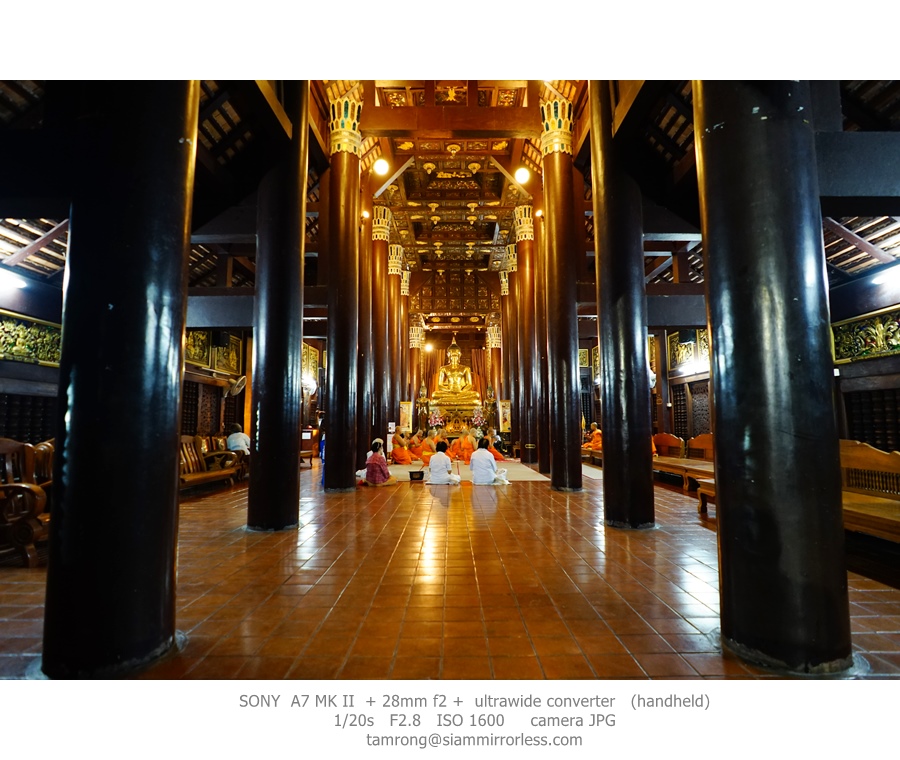
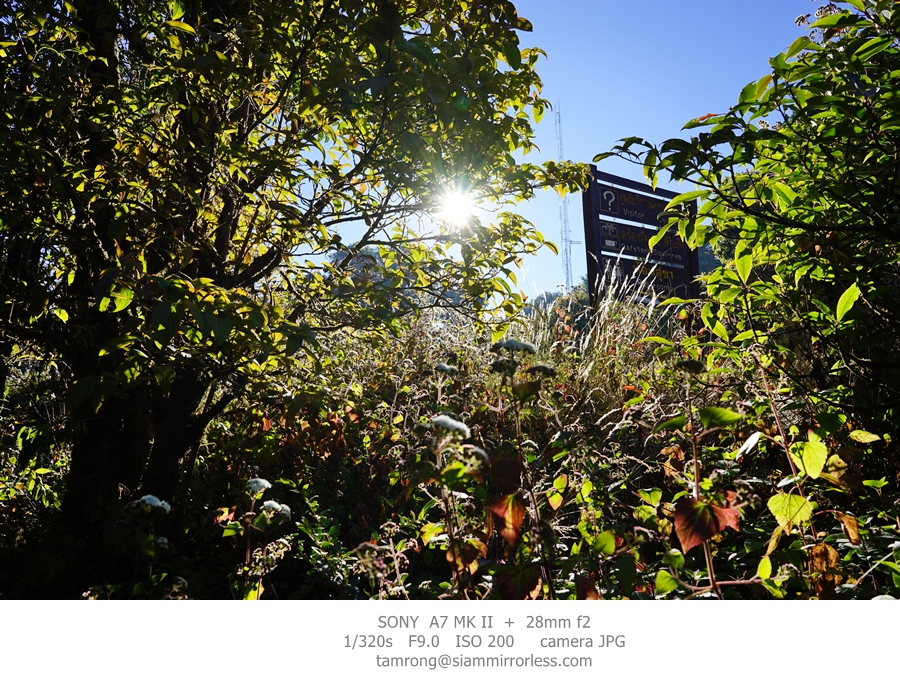
Flare resistance test:
Wide angle and fisheye converter images:
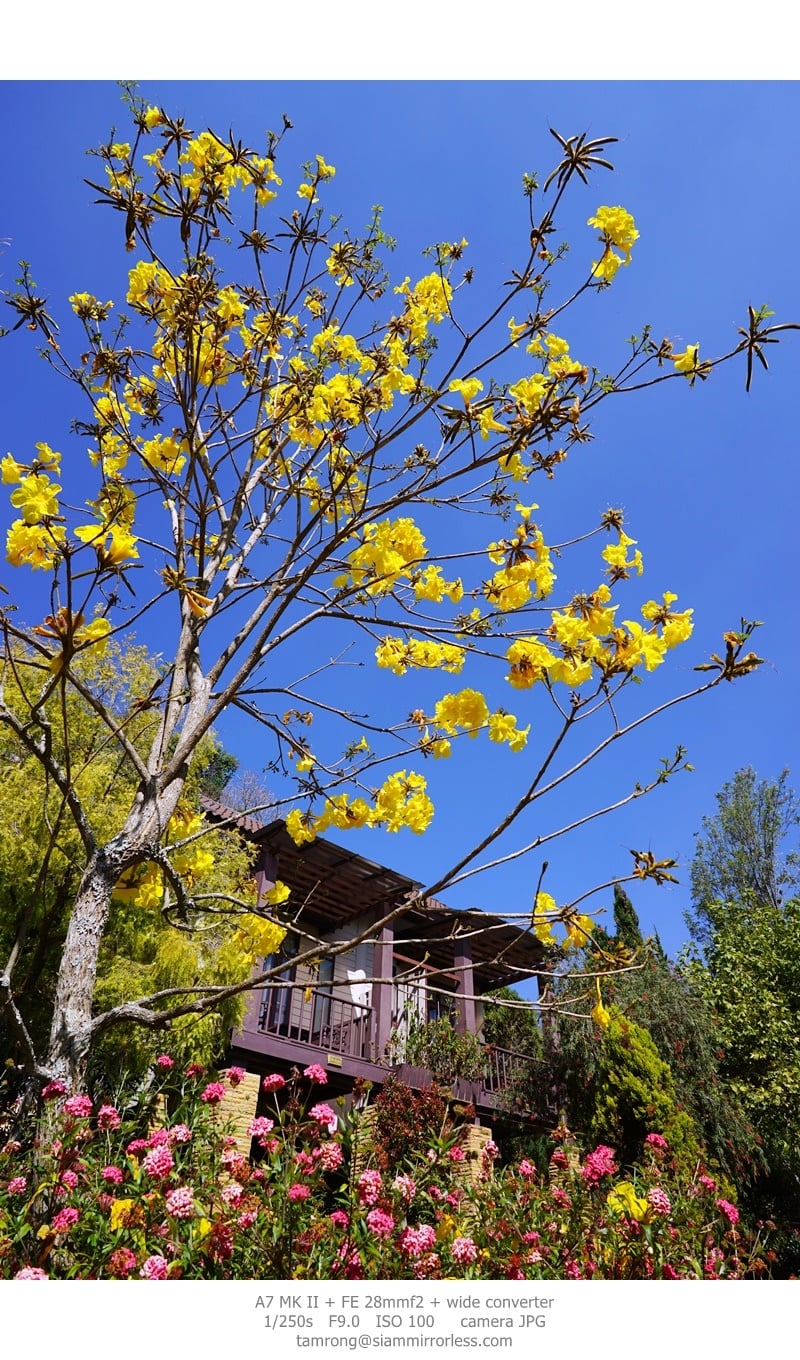
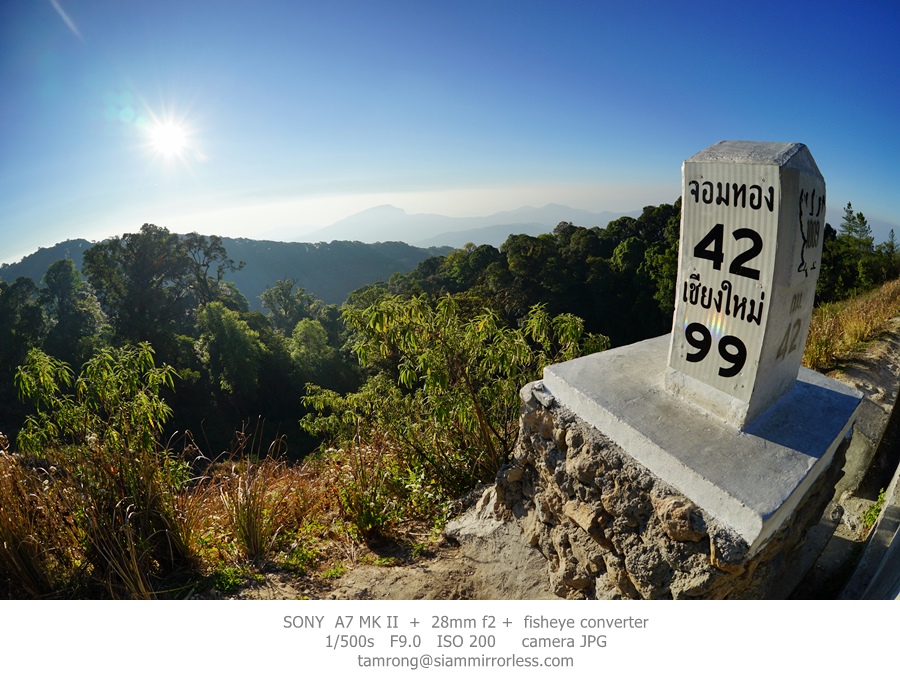
And what do you think of the lens performance so far? I like the lens a lot if you consider the (for the Sony FE standard) relatively affordable price!
All new FE lens preorder links:
In USA at:
Zeiss 35mm f/1.4 FE at Amazon, Adorama, BHphoto, Sony US.
Sony 90mm f/2.8 FE at Amazon, Adorama, BHphoto, Sony US.
Sony 24-240mm FE at Amazon, Adorama, BHphoto, Sony US.
Sony 28mm f/2.0 FE at Amazon, Adorama, BHphoto, Sony US.
Sony Fisheye Conversion Lens for FE 28mm F/2 at Amazon, Adorama, BHphoto.
Sony Ultra-Wide Conversion Lens for FE 28mm F/2 at Amazon, Adorama, BHphoto.
Sony Fisheye Converter for E 16mm F/2.8 and E 20mm F/2.8 at Amazon, Adorama, BHphoto.
Sony Ultra-Wide Converter for E 16mm F2.8 and E 20mm F2.8 at Amazon, Adorama, BHphoto.
In Europe at:
Zeiss 35mm f/1.4 FE at Sony Germany, UK, FR, IT, ES, NL, BE, AT, CH, SE, FI, NO, PT.
Sony 90mm f/2.8 FE at Sony Germany, UK, FR, IT, ES, NL, BE, AT, CH, SE, FI, NO, PT.
Sony 24-240mm FE at Sony Germany, UK, FR, IT, ES, NL, BE, AT, CH, SE, FI, NO, PT.
Sony 28mm f/2.0 FE at Sony Germany, UK, FR, IT, ES, NL, BE, AT, CH, SE, FI, NO, PT.
Wide Angle converter at Sony Germany, UK, FR, IT, ES, NL, BE, AT, CH, SE, FI, NO, PT.
Fisheye converter at Sony Germany, UK, FR, IT, ES, NL, BE, AT, CH, SE, FI, NO, PT.
Wide angle converter for 16 and 20mm lenses at Sony DE, UK, FR, IT, ES, NL, BE, AT, CH, SE, FI, NO, PT.
Fisheye converter for 16 and 20mm lenses at Sony DE, UK, FR, IT, ES, NL, BE, AT, CH, SE, FI, NO, PT.
In Asia/Australia at:
Sony 24-240mm FE lens at Digitalrev, CameraPRO, Sony Australia.
Sony 28mm FE lens at Digitalrev, Sony Australia.
Sony 90mm FE lens at Digitalrev, Sony Australia.
Zeiss 35mm f/1.4 FE lens at Digitalrev, Sony Australia.
Wide angle converter for 16 and 20mm lenses at Digitalrev, Sony Australia.
Fisheye converter for 16 and 20mm lenses at Digitalrev, Sony Australia.
259 Responses
Well done Sony !!
Haters gonna hate anyway…
If this is indeed sharp edge to edge even at F2, isn’t that a bit of egg on face for the Zeiss 35 2.8? I bet a lot less people will buy that for almost twice the price vs this lens.
Sharpness is just one aspect that can be measured easily.
There are plenty of other aspects that is very difficult or impossible to measure. OOF rendering, contrast, color, character etc.
My Sigma 10-20mm lens is one of the softest lenses I own but I just love the color that I get from it.
I tried my friends Rokinon 14mm f2.8 and frankly thats a sharper lens but I just don’t like the contrast and color from that lens.
So even though my Sigma is softer I still stick with it.
My point is that the Zeiss 35mm f2.8 is also an excellent lens and you shoot with both and compare you can’t really say the 28mm f2 is definitely a better lens.
That said this 28mm f2 seems like an excellent lens at a good price. I will mostly be buying this lens as I find the Zeiss too expensive for an f2.8 lens.
Saying something is impossible to measure is highly interesting. If I say there’s a spaghetti monster in the room but his strength is unmeasurable, is it that his strength is unmeasurable of perhaps that the spaghetti monster does not exist?
Colour is easy to measure. You shoot at a fixed white balance setting in a room with suitable lighting. You then photograph a colour passport.
You measure each colour using photoshop. I do something similar for studio shoots. In most cases, the sensor won’t give completely accurate results but those inconsistency’s you can see present amongst other lenses.
Those that say “this lens gives such a lovely warm tone!” are comparable to those that say “these speakers are wonderful, they give such a boomy bass!” If the original sound that was recorded had a “boomy bass”, fair enough, that’s an accurate representation. Likewise, if the colours had a “lovely warm tone” to begin with, again this is an accurate representation of the original scene. However, if the colours are warm when the original scene was cold, I don’t care whether someone likes the look, it’s inaccurate. You can always make a scene warm in photoshop afterwards, but it is often very difficult to get completely accurate colours. The human brain is simply not good at remembering colours. Grey cards don’t always work because it simply neutralises colour and if the lighting (sun, for example) isn’t neutral, a grey card is not doing to help.
For these reasons, I don’t want a “warm” or a “cold” lens, I want a lens that captures the scene’s colours accurately. Just like I don’t want a speaker that gives an unrealistic bass, I want one that portrays the audio realistically.
Canon’s notorious for oversaturating red. Some people love that look for potraits but they hate it for landscapes. It’s a whole lot easier when the colours are objectively right to begin with and you edit them to your preference. It’s one of the reasons I’ll only use my hasselblad for work. People say it’s expensive, it’s really not. How much time have you spent editing colours? For some people it might not be much for others it might be.
“character”
Character is simply a lens flaw that people crave because they don’t want to admit to themselves that the grape is sour
There are a few typos in my post, hopefully it is still understandable
Sorry to disappoint you, but I have the feeling that nobody will read your comment…
Who cares? It took like 3 minutes to write
haha.. damn bob you are such a cliche, then again I did all the same stupid poser crap you are doing right now online 20 years ago so can’t really judge only laugh.
20 years ago PHP was just a set of CGI binaries, so unlikely; furthermore, I just stated that the post didn’t take long to write. It didn’t, I average 125 wpm. 125 wpm x 3 is about the size of the post
WOW… You are a machine!
You write without thinking much…
Better than not thinking at all
Good reply. You are not so bad after all.
I like you too okay
Great. So we can begin to get out together.
Are you free Friday night? 🙂
Ok you are right, I was a bit smarter then you, but did write pretentious rants and when people commented on the length said poser rubbish like “it only took me 2 minutes to write”. 125 wpm is slow, so I guess I did similar stuff 20 years ago only better. 😛
I doubt that considering you cannot differentiate between then and than
Maybe you WERE smarter than him… some years ago…perhaps in another life… Who knows… Now you are pretty senile…
Your post doesn’t make much sense…
And yet you still hide your photography away where none get to see it! WHY???
I don’t hide it, I simply don’t show the trolls on this website. From a business point of view it would be illogical
Too many capital letters. Disapproved.
This one isn’t very good. Disapproved.
Pretty good for a lossy 11+7 156 IQ………what does that actually equate to in proper bits? Yeah, that’s what I thought, not much!
Is that supposed to be an insult???
LOL
lossy 11+7 156 IQ …?? Never heard that before. Please tell us more about that!
20 years ago … LMFAO
That’s great and understand the appeal but it doesn’t actual contradict BredonF. Something is difficult to impossible to measure if the value is subjective. You’re unwillingness to see value in what Brendon calls character merely illustrates that. Does that make Brendon right and you wrong? No, but nor does it make you right.
I do think there are other aspects of the FE35 that are appealing other than sharpness. To my eye it has a smoother Bokeh and more pleasing macro contrast out of camera. It also very very small. Personally I’m more likely to buy the FE28 however because those aren’t things I personally value as much in wide angle lenses.
You’re quote mining and arguing fallaciously with a straw man fallacy.
“There are plenty of other aspects that is very difficult or impossible to measure. OOF rendering, contrast, color, character etc.”
The things mentioned here are objectively measurable.
OOF rendering can be objectively measured by measuring the transition of blurs in the out of focus areas.
Contrast can be measured using the eye dropper tool.
Colour can be measured using the eye dropper tool.
Character can be measured by measuring the deviation from reference.
“Something is difficult to impossible to measure if the value is subjective”
This can be the case, but a lot of the time it is just someone making an illogical or irrational statement, failing to find proof for said statement and wanting to continue backing said statement.
“That’s great and understand the appeal but it doesn’t actual contradict”
It does
Forget it. I should have learned by now that intelligent respectful conversations cannot be had on SAR.
Brendon: The moon is a cube
Bob: The moon is spherical
Joel: You didn’t contradict brendon. It’s totally subjective, you cannot prove him wrong!!
Bob: Proves the moon is spherical
Joel: You’re so disrespectful
Let’s assume for the sake of discussion that it’s your “opinion” the moon is a cube (it’s actually fiction), and it’s my opinion that the moon is spherical (it’s actually fact). These are our “opinions”. What is the point of discussing these “opinions”?
” I should have learned by now that intelligent respectful conversations cannot be had on SAR”
A conversation cannot have intelligence; people can, even if some might argue you don’t.
My apologies if I cannot relate to (respect) someone that thinks the moon is flat and wants to argue it’s simply “impossible” to prove or disprove. The fact of the matter is 99% of the subjects mentioned are quantifiable, they are falsifiable and if you had any “respect”, you would concede rather than resort to immoral passive aggressive pseudo feigned morally superior behaviour
-feigned. Oops
Falling prey to your own intelligence? In any case, there are more than a few misconceptions and omissions in your “intellectual” rant. Maybe you’ll manage to find them in a few years.
You’re stalking all of my posts, that says a lot
He’s clearly trying to outsmart you…
He will have a hard time in this endeavor…
Haha, yes, I am.
Almost as much as you 🙂
Narcissism at its worst. Approved.
It really is pointless to have conversations on here. People get bent out of shape, the trolls come out, and holier-than-thou people really come out of the woodwork.
It’s good that you understand your mistake, you know, objectively speaking. It’s good to give it a try though, so maybe it isn’t a mistake after all, subjectively speaking. Or, is it objectively?
“Quote mining,”- it’s the new buzzword.
Is it? I usually say contextomy but most people don’t understand
Wow Bob, you really want to make me bow down to your superior intelligence.
Unimpressive interpunction skills. Disapproved.
Interpunction
Question to Bob: Does the concept of an accurate RGB image really make sense, given that the reality is a mix of a continuum of wavelengths? Wouldn’t you have to measure the whole continuous color spectrum at each pixel? There are a whole lot of assumptions if you just sample three colors out of the spectrum or not?
Question to which Bob?
Me or another of the 251786624785 Bob in this forum?
Camera on a tripod.
Photograph a colour passport.
Use another lens. Photograph a colour passport.
Use another lens. Photograph a colour passport.
Use another lens. Photograph a colour passport.
Use an eyedropper with a 50x50pixel picker. Compare to the spec sheet of colour passport. Analyse results
Your post would make perfect sense if photography was an exact science.
The moment you use a lens different from the FOV your eyes can see you are not going to get anything accurate. So wides, teles, macros are all aberrations to capturing the scene as accurately as possible.
Accurate to me is boring. Life is boring. I shoot to showcase things larger than life. I shoot BW, long exposures, macros and I use an ultra wide angle lens a lot and even *gasp* HDR !!! :O
You can see some of my work here if you wish – https://500px.com/BrendonFernandes
You may not like those type of photos and thats fine. The world as we know it would be a terribly boring place if we all thought the same.
My point is photography isn’t an exact science but an art. HCB felt color photographs were boring. Ansel Adams mostly shot in BW and yet was considered an amazing landscape photographer for his time. Trey Ratcliffe is a far more renowned photographer than you or me and all he shoots is HDRs.
If you wish to capture true to life images and don’t wish to deviate then you are free to do so but expecting everyone to share your opinion is IMO a little far fetched.
I like your photos, they’re great in my opinion. I also fully understand photography is an art. I understand the subjective side.
That said, there are certain objective truths. If a company designs a lens to be 35mm and it’s actually 32mm, you might like that flaw, you might like it and consider it has the “character” you crave, you might PREFER 32mm, but, objectively speaking, it is not 35mm. Similar things can be said for colours when measuring against colour charts.
A lot of camera design has an objective aspect to it, especially in the digital era. I wasn’t expecting anyone to share my opinion but simply separate the objective from the subjective, and understand there is an objective aspect to lens design
I loved Brendon’s work. I would love to see yours.
I like it too, I’m just surprised when people cannot separate objective from subjective.
Assume there are ten lenses, five of which oversaturate red slightly. Using the correct methods to judge colours, you are able to objectively prove these lenses are inaccurate and you are able to objectively measure the colour rendition (his claim was that it is difficult to measure certain aspects).
In a review like this, you could say “for those that love warmer colour rendering, five of these lenses might appeal to you”. This would be the subjective aspect to that review. With the right data, you are able to make the choice, you are able to decide what lens is for you. But to make the claim that it’s difficult or “impossible” to measure said data is simply illogical.
I don’t have a problem with opinions, I have a problem with people stating the objective is difficult to measure
All I asked was if I could see some of your work??
Be careful what you wish for…
“Objectively right colours” 🙂
I’d like to see those (get it?).
Contextomy; if a colour patch should have the value 134, 123, 85, and the data is 134, 123, 30, the colours are objectively inaccurate
You are still missing the point.
Your point was proven fallacious and invalid
Uhmm, no, it wasn’t. I still can’t see colours objectively.
Colours are measurable frequencies of the light spectrum; you’re illogical
No, colours are created by our brains as a response to light hitting our retinas. We have no way of knowing if the colours we see are the same as those seen by others. All sensory experiences are private. You shouldn’t confuse physical properties with mental representations of those properties.
Inaccurate.
We have no way of knowing a lot of other things too…
Disapproved.
Sorry, but your comment is totally pointless. But you have at least a cool name.
It’s not pointless. The word ‘colour’ does not refer to light of certain wavelengths, it refers to the sensory experience we have when the light hits our retinas. Just like a certain smell is not the same as the molecules that cause us to experience that smell. Colours, smells, tastes, sounds – they are all mental representations created by our brain as a way of interpreting reality.
What a dull life you must lead….
Don’t get me wrong, I did not say you aren’t right. I just said your comment is pointless, at least in this forum. 😉
It is a pointless straw man fallacy actually. I’ve explained it better above
It is a pointless straw man fallacy. You can measure colours using a black and white screen. My point is not about what we see but rather what objects stated in this discussion can be measured objectively.
Colour: one, or any mixture, of the constituents into which light can be separated in a spectrum or rainbow, sometimes including (loosely) black and white.
“a rich brown colour”
Spectrum: spec·trum
A band of colors, as seen in a rainbow, produced by separation of the components of light by their different degrees of refraction according to wavelength.
“they are all mental representations created by our brain”
Jellyfish don’t have a brain, they still see light.
We can go deeper into a strawman fallacy but I’d rather you argue with my original point and not a caricatured version of it
They see colour too not just light
Light is measured by its wavelength (in nanometers) or frequency (in Hertz). One wavelength. equals the distance between two successive wave crests or troughs. Frequency (Hertz) equals the number of waves that passes a given point per second. While it is true that different people might see or interpret colours differently, and you can argue and nitpick to the point of a straw man fallacy, the fact remains that the colour output of a camera, its sensor, and its lens are all measurable using objective methods. Using said objective data can help to form a subjective or objective conclusion
Although you can argue colours don’t truly exist, they’re simply a sensation, you can make up objective definitions that make things like “green” more real; “green” is light with a wavelength between 520 and 570 nm.
If we have a colour chart with a patch that we all accept is “green”, its hex value is #008000, and when photographed using a perfect sensor with a perfect lens with perfect lighting conditions, the eye dropper tool should show #008000. If it shows #FF0000, there is a problem. You do NOT need eyesight to witness this problem, a narrator can give you this information and you can still determine this problem exists. We might interpret “green” as something different to someone else, we might “see” green as red, the screen might even be uncalibrated and show the colour differently to the “standard”. However, the fact remains that this can still be measurable.
If you see “green” on the screen, and in your opinion it looks like what I imagine “red” to look like, you are going to feel the same about a “green” colour patch.
So rather than invoke a “my brain sees colours slightly differently to your brain” argument, try to comprehend what I am saying. It doesn’t matter whether your green is my version of red. If a camera captures a colour and shows that colour differently on screen to how another camera captures that colour, something, somewhere, is objectively different and its difference is measurable. If it were not measurable, a screen calibrator would not work
Let’s not get into the debate of whether science is objective, shall we? Even your basic premise can be argued against very successfully, but it would be pointless, same as most of what you wrote. Although, I do admit it is a nice exercise. What would be those subjective and objective conclusions we can come to and how would they be relevant to the discussion about a lens’ character?
I am illogical! Hahaha! Science isn’t reality. Logic isn’t something “right”.
All these are merely interpretations of reality, tools. You can’t measure the “character” of a lens, same as you can’t measure the feeling produced by a photo or someone’s liking-of-a-lens. Your “objective” measurements are based on theories, which are always evolving and even if we put this aside, what is your “objective” data supposed to do for us here? A photo is taken by a human and seen by a human. Why would we need “accurate colors” if people are unable to see “objectively”? Why do we need measurements if people are able to see “objectively”?
“If a company designs a lens to be 35mm and it’s actually 32mm, you might like that flaw, you might like it and consider it has the “character” you crave, you might PREFER 32mm, but, objectively speaking, it is not 35mm.”
And none of this changes anything to the “liking”. So, what is your point here?
If you’ve done at least some drawing/painting/3D/etc you’ll know that representing reality doesn’t necessarily mean making things look realistic. A photo will never be able to represent reality properly, by definition. Even if you manage to get a couple of the aspects “objectively” right, you’ll never get all of them. That’s why you need to compensate. Also, your “objective” reality is irrelevant because we are all subjective viewers.
Paradoxes exist, unmeasurable things too, people are irrational. And , yes, I am illogical.
Not really. Disapproved.
Wall of text. Disapproved.
I like Bob.
Egg on face? no not really. The 35 was the first lens designed for the system. Sony should continue to improve their lens designs as they become more accustomed to their still-new FF e-mount system. Remember most systems began life as full frame (Canon, Nikon, Minolta a-mount) or post-digital chose a size and stuck to it (m43). E-mount is the first to come along and then upsize down the road. Refinements and optimizations will continue.
That said, I really like the 35/2.8. It’s tiny, sharp and has great character. I don’t like the 28mm rendering style as much but it looks nice and if it’s successful than Sony will see that their is a market for lenses with a bigger value proposition.
I also like the 35/2.8 but is it really fair to still be charging the full launch price of $800 especially when newer and possibly better designs have since come out?
If you look around you can find it for ~$500, but yes, Sony should make $500~$600 the official price.
The lens is still new by lens standards. It came out only a little more than a year ago.
Yes, if it renders more attractive images than the 28/2.
I don’t use my FE 35 as much as the FE 55, but when I do I’ve always forgotten how good the images coming out of that thing are, even at f/2.8 with it’s less than stellar edges and corners – but that is rarely an issue in real-world shots.
I do the same. Then I end up leaving the 35 on my a7 until I next have to use the 55 (which ends up staying on there until I have a reason to use the 35 again). Even ordered a 16mm extension tube for 1:2 macro (not got it yet but can’t wait to try it).
Wait a minute…
You use the 35 until you need the 55 which you use until you need the 35 … and so on …
That’s pure genius!
What can I say? I’m a one lens guy, with commitment issues…
Sony seems to have a weird strategy here.
Instead of producing a line of f/2.8 lenses, a line of f/1.8 lenses etc… Sony seems to be making “one of each”.
The 35/2.8 is the small lens.
The 55/1.8 is the high quality lens.
The 28/2 is the cheap lens.
etc… etc…
+1
Sony is just a mess…sorry. A bit from everything, almost nothing right if one wants to find a concept. I hope the A7II is a good start of ‘something’.
Unintelligible, to be frank. Strongly disapproved.
The 35/2.8 is a high quality lens too.
The 28/2 is good value but definitively not cheap!
I wished, the 35mm was 2.0, but can’t see any weird strategy here.
You just can’t make a post without negativity, what a pathetic loser you are.
Bit of an ironic comment, troll
Tu quoque (“you too”). This is the fallacy of defending an error in one’s reasoning by pointing out that one’s opponent has made the same error. An error is still an error, regardless of how many people make it. For example, “They accuse us of making unjustified assertions. But they asserted a lot of things, too!”
His post wasn’t ironic. His post might have been somewhat negative but that’s not to say all his posts are negative; he claimed you cannot make a post without negativity
did you fall asleep writing that?
No but I fell asleep after reading yours
Childish reply.
Bob, you’re not even half as clever as you think you are.
Pure conjecture. Disapproved.
I wonder if I am twice as clever as you
Oh, good that you point that out, because this applies to a lot of SAR readers! By “a lot” I mean a looooooooooot.
Fallacy of pointing out someone else’s fallacy. Disapproved.
Personal attack. Approved.
I think it’s a hard angle to take if you consider the value it offers- I’d skip the 35mm 2.8.
The 35/2.8 is still a brilliant lens. It was and still is massively overpriced. So, yes, noone will buy it anymore. But I still love it for its IQ and compactness.
looks good to me (not a sony user)
I very rarely use 16mm but when I do, I want sharpness and low chromatic aberration. I don’t care about bokeh.
This lens with a 35mm loxia, 50mm loxia, a 90mm leica, and a wide angle converter looks to cover all the focal lengths I need.
Those are all relatively cheap.
It’s a shame a leica WATE doesn’t exist in an E mount with optimisations for the rear nodal point but we can’t have everything
Which camera/cameras do you have?
I just have a hasselblad h5d50, sold all my canon gear recently (it was no use for work and it’s too large for hobby use). I was waiting for the a7rii but it seems it’s not getting announced for some time. I will be buying the a7ii shortly unless there’s some accurate news about the a7rii by the end of the month
ahahaha
Nervous laughter. Approved.
Amusing comment. Approved.
scratching my head…
Skip 35. 28, 55 zeiss and we need a 16-18mm native wide at a decent price.
Why skip 35? It seems like a good lens to me and it’s a great focal length to shoot with in my opinion
To close to 55 and I’d think most want that lens.
It’s closer to 28, actually…
28 is close to 21. Don’t get a 28.
21 is close to 16. Don’t get a 21.
16 is close to 15. Don’t get a 16.
Oh shoot, the subjects ears are big
Wrong on the first too. Killed your own argument woth the last one.
I was just joking. I like the look of the 35mm and the 50mm focal range
28 is also very close to 35. You are right, 28 is totally useless.
I also read in this blog earlier, that 35 close to 55. So, skip 35 too.
To be honest, 55 and 75 are not much of a difference either….
I guess I will do best with my russian 500mm mirror lens as my only go-everywere-lens. 😀
are you kidding me? 28 / 35 and 50 are the most important lenses to me!
But I fully agree that a compact(-ish) 16mm that doesn’t suck would be very welcomed.
Zeiss have usually designed pretty good 21mm lenses, so here’s hoping for that too
Absolutely not bad for the price.
I want!
Please elaborate, otherwise disapproved.
First impressions are good, a lot better than expected IMO.
This lens appears to be a relatively good value, but there is bokeh to die for and bokeh to die from.
what’s wrong with the bokeh? To me it looks alright, definitely not super bad.
The bokeh is out of focus. Epic fail!
WHAT???
What do you mean?
LMFAO
3 hours later and I can’t stop laughing…
LOL
Don’t be mean… 🙂
I’d like to know if he is the same “brilliant” intellectual Bob or another one…
It’s a pretty brilliant joke, assuming it really is a joke.
I dunno. He said that two times! Not once…
I hope it was a joke, for his sake…
If you like it than why should you care what I think? You don’t have to value the same things in an image. For me, the background bokeh is harsh. The 35mm Loxia is less so, but not pleasing. The FE 35mm Distagon f/1.4 is creamy and quite appealing.
Very good lens and a great value, well done Sony.
Unfounded praise. Disapproved.
I wonder what the price drop will be on this one in the future. Should be some good margin in this one. I will definitely pick it up if it goes on sale!
That is one hell of a lens. I would never had expect that it would be that good. All Non-Zeiss-E-mount primes with 50mm equiv. or wider, including the Zeiss Touit lenses, had serious flaws. But this one seems to be outstanding! Well done, Sony!
Very very sharp and a good option for apsc shooters as well
Focusing distance is not close enough
You forgot something at the end of the sentence. Disapproved.
lol
The Fisheye Converter and Ultra Wide Converter are more interesting, but they are quite large.
Some stores are selling on eBay now:
http://www.ebay.com/itm/351337775638
Why in-camera JPG? Lot of sharpening applied to the image of course make every picture look sharp.
And distortion correction…
Incomplete sentence. Disapproved.
How is having good bokeh “not something the lens is designed for” on a lens with an an f-stop of f2? Bokeh is still an integral part of any image if there is a shallow depth of field.
I think what the admin meant was that most lenses of 35mm and below are not very good for bokeh. You will rarely if ever see any good bokeh on lenses with such focal lengths.
No good bokeh on a 35mm? Gotta be joking right?
Maybe he meant below 35mm not including 35mm.
Exactly Brandon.
Please clarify, otherwise disapproved.
The Rokinon 12mm I just picked up has beautiful bokeh (granted there isn’t much of it). The canon m 22mm f2 had pretty good bokeh. Sigma 18-35mm. From the samples I’ve seen of the rokinon 24mm f1.4 – it has decent bokeh. There are probably at least half a dozen 35mm I could name off the top of my head that have nice bokeh. Heck the 16-35mm FE has fairly nice bokeh where you can squeeze it out.
I’m not saying it’s easy, and it’s probably a trade off for sharpness across the frame, but it certainly still possible.
I don’t really get this. I have the A mount minolta 24mm 2.8 and I think the bokeh looks fairly good. It’s less pronounced…is it possible we’re referring to this and not really “quality.”
I had it too and wouldn’t call the bokeh any better than this.
On the other hand, the 24mm was much, much softer.
its a wide angle lens.
for what type of photos are these mainly used for?
do these photos require a shallow depth of field or maximum depth of field?
is a wide aperture still usefull for creating a fast viewfinder image in low light?
questions upon questions…
You shouldn’t drink before commenting. Disapproved.
Getting shallow DoF wide is why some people shoot large format.
The Minolta MD/MC and A-mount 28mm f2 IMHO have both wonderful and fantastic bokeh. This one with the latest computer calculations and aspherical lenses trimmed for super sharpness and a flat field to make the corners sharp as well, hmm, so far I am afraid the bokeh is not to my taste.
But I am still waiting till some other photographers get a hand on this new lens and can show more stuff that might be geared to my taste..
Just out of curiosity, what is the difference between wonderful and fantastic booked? I mean is one better than another? Just asking 🙂
“wonderful and fantastic booked” ?
Funny comment anyway.
I’m pretty sure he meant bokeh, judging from the post above it
I did know. I said that to make him correct the post.
Fantastic; fantasy; fictional, imagination, created.
Wonderful; wonder, good, inspiring delight
Bokeh looks fine to me. Smooth as butter- just like my teeth.
Subjective statement. Disapporved.
Misspelling. Disapproved.
Hello hulk smash.
Funny. Approved
I’m excited for this lens. In the right hands, I think it can produce some excellent photography. The bokeh in most of the images don’t look awful but with more distance I think it can product pretty decent quality considering it’s a 28mm. Excited to shoot some environmental portraits with this.
The Loxia lenses are also limited to f2.
It’s as if they are keeping the aperture at f2 on purpose. Can anyone explain why they do this?
I personally think it could have been nice if Sony/Zeiss made the Aperture wider. F1.4 and f1.8 lenses are so rare on the FE mount.
A 35/1.4 was announced at the same time as the 28/2
If you’re making such a fuss about making a small body and you’re trying to move your A-mount clients to the new system, you don’t want to make huge lenses for it.
So Sony will do some small lenses now and possibly plans to make some f/1.4 in the future.
Actually, Zeiss doesn’t make many lenses faster than f/2.
That can’t be true.
The Otus series is f1.4: http://www.zeiss.com/camera-lenses/en_de/camera_lenses/otus/otus1455.html
Their lenses for Leica camera is also 1.4: http://www.zeiss.com/camera-lenses/en_de/camera_lenses/zeiss-ikon/distagont1435zm.html
But Sony only gets F2?
I’m just really curious if there is somekind of sweet spot at f2.
Or if they are simply not as serious about FE mount.
Oh boy.
Doesn’t make any sense. Disapproved.
I think, what Seal of approval says, is, that he has nothing to say.
You know there is a 35/1.4 on the way, right? There’s also a 55/1.8 already. Hardly rare – 2 out 5 Sony primes so far are larger than f/2.
Sweet spot? Yes there is. £400/$450 is the sweet spot.
f2 x a7 – 1user = 13
illuminati
28mm / 2 – 1user = 13
illuminati
Flawed calculation. Disapproved.
Wrong. The calculation is right. Recheck.
Dammit, you are right! Sometimes we are so blind that we can’t see the obvious.
I’m comparing Sony to DSLRs, because this is the same price/size range.
Check the Zeiss ZF and ZE lineup. Mostly f/2 and f/2.8.
Otus is a premium series from a premium company.
And remember that Otus is designed and made by Zeiss. Sony “Zeiss” lenses are made by Sony based on Zeiss designs.
Zeiss has a (very good) 28/2. This Sony is most likely based on that lens.
Any why is Zeiss making f/2 instead of f/1.4? For a very simple reason. Most f/1.4 lenses need closing down to get a sharp result. Just check how bad are Canon’s f/1.2 wide open.
So Zeiss is starting at f/2: lenses are decently sharp from wide open, smaller and simpler.
I didn’t know Canon’s f/1,2 lenses were bad. But if what you say is true, then I agree f/2 is more efficient.
http://www.photozone.de/canon_eos_ff/472-canon_50_12_5d?start=1
http://www.photozone.de/canon_eos_ff/537-zeiss50f14eosff?start=1
Zeiss becomes sharp at f/5.6 – f/8 (the usual optimal aperture for FF).
Compare them to the plastic-fantastic Canon 50/1.8
http://www.photozone.de/canon_eos_ff/415-canon_50_18_ff?start=1
Of course center sharpness is better on the more expensive lenses, because in this area glass quality is the most important factor.
Ridiculous statement. Disapproved.
Useless comment. Disapproved.
Of course they are keeping the aperture at f/2 on purpose, and that purpose is to keep the lenses small just like the bodies! I’ll take a compact f/2 over a gigantic f/1.4 any day.
If I’m choosing between slipping my 35/2.8 in my camera bag on the off chance I’ll need it and lugging around 35/1.4 on the off chance, I know which one I’m choosing!
You’re right – it’s a conspiracy. Sony released an F2 lens and forced Zeiss into their evil master plan. Same with the F4 zooms. Nothing remotely to do with manufacturing.
Conjecture. Disapproved.
I think it’s a compromise between size, weight and price.
They had to keep the size down and the price down because it was developed with the converters in mind.
I like compromises, that’s why I shoot Sony.
No one cares. Disapproved.
Hehe
Sony/Minolta’s (A-mount) fastest 28mm = f/2
Nikon’s fastest 28mm = f/2.
Canon’s fastest 28mm = f/1.8
And so why would Sony make a faster, oddball 28mm? 28mm lenses are intended as value wide angles. The fact that this is not a Zeiss-branded Sony and the relatively low MSRP confirms this fact.
The state-of-the-art premium wide for which everyone is competing for speed is at 24mm. That’s where they are making f/1.4 lenses for landscape and astrophotography. I’m sure Sony will offer a 24mm f/1.4 for FE at some point down the line… and having the value 28mm at f/2 will allow greater product differentiation.
Had they not done this, I would actually be a little concerned if they were ever planning on offering a 24mm f/1.4.
I think over time this lens will sell very well. 28mm is a sweet price for those scared off by the 35mm 2.8. Sure, it’s not for everyone but the performance is there.
I want a 17mm F1.4. No compromises. 24mm 1.4- I’m over it and I haven’t even owned one. Give me the big gun. Heck, give me the 15mm 1.4 smooth transition focus. Could you image the wall of blur that would produce? It would be a bokeh fanatics dream.
I think the 35/2.8 would be useless without a price adjustment now that we have a very decent and fairly fast 28, with matching converters, no matter you need them or not.
I wouldn’t say useless, but the 35/2.8 was certainly overpriced from the very beginning. Now with the 28 out, they should indeed reduce the price of the 35/2.8.
My thoughts exactly. Why splurge big bucks when you can now get wider, faster and matching converters. I’m really digging this lens. I hope Sony gets the message. I don’t need all my lenses to be Zeiss.
Please, Nikon’s fastest 28 is f/1.4.
It was. And it’s insanely expensive on the used market.
It’s a 28/1.4, and a pretty good one, it shouldn’t come cheap. Personally, I think the price at the point is fairly just.
And is it being made anymore? No.
Was it conceived for digital cameras (i.e. within the last decade-or-so)? No.
Therefore totally relevant in a discussion about newly-introduced lenses and the market niches they occupy, right?
Remind me to bust out a mention of the EF 50mm f/1L whenever people are talking about Nifty-Fifties. *shakes head*
You were wrong anyway: Nikon’s fastest 28mm is f/1.8, not f/2…
Duly noted, as that *IS* a lens relevant to today’s market plans.
But it does not affect my point that a 28mm is considered short-of-premium wide (i.e. not quite wide enough) and hence is relegated to value offerings.
It’s AF, totally compatible with current cameras, and a decent performer. Who cares what it was designed for, the old Contax 35/1.4 outperforms an EF 35/1.4.
You’re free to bring up the EF 50/1, I’m not stopping you. And I’ll mention the Astro Berlin Tachon 50/0.95.
And if you’ll go on about the trend of the art, we’ll just be getting slower and slower, smaller and smaller lenses, for smaller and smaller formats. Breakthroughs in optics will help achieve much smaller lenses without compromising the speed, but I don’t think we’ll ever reach the height reached during the speed race of the 90’s. The overall trend is still that lenses will become slower.
You still seem to be missing the point and think that everyone is d!ck measuring. When I brought up the EF 50mm f/1L in reference to nifty-fifties, that was an example of *irrelevancy*, LOL.
The point, because you obviously missed it, is that *these days* 28mm is considered not-quite-wide-enough. See that even standard zooms (and even many kit lenses) strive for 24mm on the wide end. In terms of primes, resources are now being directed at 24mm, which is where all the current fast premium offerings are.
The fact that Nikon brought to market a fast 28mm over 20 years ago is irrelevant, because few people these days (except for 28mm die-hards and Nikkor collectors) would bother with a fast 28mm when there are several fast 24mm’s available. See Nikon discontinue the 28mm f/1.4D & 24mm f/2 in 2005, introduce the 24mm f/1.4G ED in 2010, and replace the 28mm offering with the 28mm f/1.8G in 2012.
Therefore, the moderate and much-easier-to-build 28mm’s have been relegated to value primes.
You can’t tell the difference between 1.4 and 1.8. It’s literally not there. I prefer F2 if that means sharper images at 2.8-5.6. I can’t decide though if Loxia is my destination or 55mm 1.8. I’m afraid I’ll regret only manual focus. For giggles I’d buy the mitakon speedmaster .95 for when you have to obliterate the background and laugh while doing it.
Well, i would say that there is almost no difference between 2 and 1.8… With 1.4 difference is more visible, not that much in dof terms as with more light. Ofcourse, needles to say that many f1.4 lenses are T1.7 or even worse in light transmitting capabilities. Yet FE55 f1.8 is T1.8 and that is awesome. For everything else i agree, same fe55 loxia50 dillema here. FE55 probably, because of AF and more interesting focal length. I dont really need full manual focus that much.
+ There are used fe55 for about 500e and there will be surely a year or two until we started seeing used loxias out there.
I’ve been through the same quandary as you guys. The FE 55 is a no brainer if you depend on AF, if you are uncertain if you want AF or not, go for the FE 55. If you know you are a MF shooter, having trouble accepting the feeling of focus by wire, go for Loxia. If you intend to do a lot of video and time lapses, go for Loxia. Either lens is great, you just need to pick the one that suits your focusing preferences the best.
I use manual focus a lot with legacy lenses, and it is no problem for me. I dont shoot video though. The main thing would be how precise is AF on FE55, is it always dead on?
I use manual often with Sigma DN lenses, because they tend to focus background or something insane (or maybe its because of nex7 contrast detect only). Speaking of DN, i dont know if they are fly by wire, but i have not encountered problems while manually focusing them. Only difference i`ve seen in comparison to e.g. Yashica ML is that the Yashica has much better and smoother ring.
A contrast detecting AF cannot front/back focus technically. But there are other issues that can cause similar effects. A friend of mine struggled with a Sigma 50mm DSLR prime. It had a focus shift when stopping down, causing a lot of OOF photos. Ie, the camera focused with aperture Wide open, then when it stopped down to set aperture value before the shot, the focus shifted slightly. I don’t know if this is the way the DN lenses work since I’ve never used one.
I’m a MF guy too, so Loxia for me. The distance scale on it is very accurate, and the 180 degree turn of the ring is smooth and has just the right stiffness to avoid unwanted movement. Maybe a little bit too stiff for one-finger focusing, but I never do that anyway.
It indeed sounds like better option, if i were more experienced and faster with MF… Yet, i think much of OOF photos are due to contrast detection because even if i have focus point solely on a subject, it will focus somewhere in the background where the contrast is more pronounced. This is probably more often in low light. Also, never shot any portrait without the constant need to refocus manually, as focus is never on eyes, but on the contrast line where background and contour of the head meet. Or maybe i am doing something wrong 🙂
Size? Weight?
And price?
Size and Weight are good arguments.
But Loxia series is Very pricey. So the Price isn’t so much the reason.
I was just hoping if there was some other reasons. Such as optimisation for shallow Apertures.
For example: The FE 35/1.4 cannot use f/22 aperture, one can suspect it’s optimised for wide apertures.
Maybe the Loxia series is optimised shallow aperture?
Price is not the reason? A Loxia 35/50 @ f/1.4 would have been larger, heavier and most definitely pricier. Staying at f2 for the 35 and 50 was a wise decision by Zeiss.
Okay, but the FE 55/1.8 has wider aperture than the Loxia. They’re both Zeiss, but the ZA lens is cheaper.
Really the FE 55/1.8 is less expensive than the Loxia 50?
Then the difference between f/1.8 and f/2 is questionable…
They are NOT both Zeiss. And the difference in aperture is minimal. The build quality seems to differ a lot more in that case. To be honest, the SONY feels kinda cheap and hollow when you compare both lenses in your hands. And the presence of the rubber gasket on the ZEISS Loxia lens mount indicates it is made to higher specs than the SONY.
Don’t get me wrong, I relly like the SONY 55. It is a brilliant lens, but get things straight before making not so very knowledgable statements. I’ve used the SONY 55 and ZEISS Loxia 50 in real life shooting. Not just read about them or glanced at them in a store.
FE55 doesnt have a rubber gasket? I thought it is fully weather sealed… Damn, one more dilemma
Looks pretty good. Now it’s going to be a tough decision between the 16-35mm and this plus converters… convenience vs size and speed…
I’m on the same boat! I’m going to Greece in June and I’m leaning towards the 28mm f2 + 21mm f/2.8 combo because I think 16mm might be too wide for my taste.
Wide converter is cheap
Subjective statement. Disapproved.
I just hope the 21mm converter does a good job. It doesn’t need to be sharp edge to edge wide open, but if it’s sharp at the edges stopped down, I’ll take it over the 16-35.
There are other benefits too of the 16-35mm, like being able to use filters, OSS and useful focal range (even if you don’t use 16mm). 28mm plus adapter isn’t much lighter / smaller either.
However if you are already getting the 28mm and those extra benefits aren’t important to you then the WA certainly offers a lot of additional utility for not a lot of money.
I have the a7ii so no need for OSS. Versatility does interest me for travel but it’s hard for me to justify the price when I won’t use 16mm much. Perhaps later down the road when I can find a good deal on a used copy.
Very impressive for a lens of this price range. This is def on my list.
Not approved.
Mine too
Yep, mine too.
Is there anything in the review that talks about AF speed?
Approved.
Question. Does anyone know if this comes with a lens hood? The Sony website doesn’t mention it in the description and all the pics illustrate it without one. I don’t see it listed under accessories.
Comes with a lens hood.
will I be able to use filters and the ultra wide conversion at the same time .. ?
I don’t even know where to begin with this one. Disapproved.
Disapproved.
Is it just me or is the bokeh just ugly?
Also, it’s out of focus.
Yeah… Its a good thing that the Bokeh isn’t Sharp… 🙂
Thinking the same.
bokeh on foliage is mostly ugly… I’ll wait different kind of pics…
Impressive image quality for price of this lens. This is gonna be a big seller.
I think Seal of approval is the most impressive troll to date.
I’m totally unimpressed.
Are you the English former football referee Howard Webb?
You look just like him…
LOL. I wish i would. then I could afford all that Sony gear I want.
Reluctance to conform to popular opinion. Approved.
You are wrong. I am the most impressive troll to date.
You are wrong. I am the most impressive.
Sorry, but my vote goes to Bob. I really hope he is a troll, because otherwise he has some serious personality issues.
You cannot tell a true tell from someone with personality issues. That’s not to say a true troll doesn’t have personality issues or why else would they be amusing themselves in that way? With this said, I’m sure I have personality issues. I cannot think of many people that do not. That said, my goal to improve my English by posting on these sites seems to work for me. It’s helping my typing skills too
By tell I mean troll
So you are saying you are here only to improve your English???
Why “The real Dan”?
Are there any fake Dan?
Yes, there is one who calls himself Dan, but he’s an impostor. I’m the real Dan.
Nah, Bob ain’t a troll. Bob is fine. My vote goes to Mr. Berlin AKA Mr. 11+7bit.
Awesome performance for the price & size!!! I wish it had OSS to be perfect. I will probably get this for my A6000.
On a lighter note:
“Sony Lenses are soooo expensive, that now they can be bought in installments! First get the body & then when you have enough $, get the front lens element of your choice.” 😀
Your not joking Sony lenses are pricey. But these are somewhat better than the $1500 US primes that came first. I rock old glass anyway so….. :-/