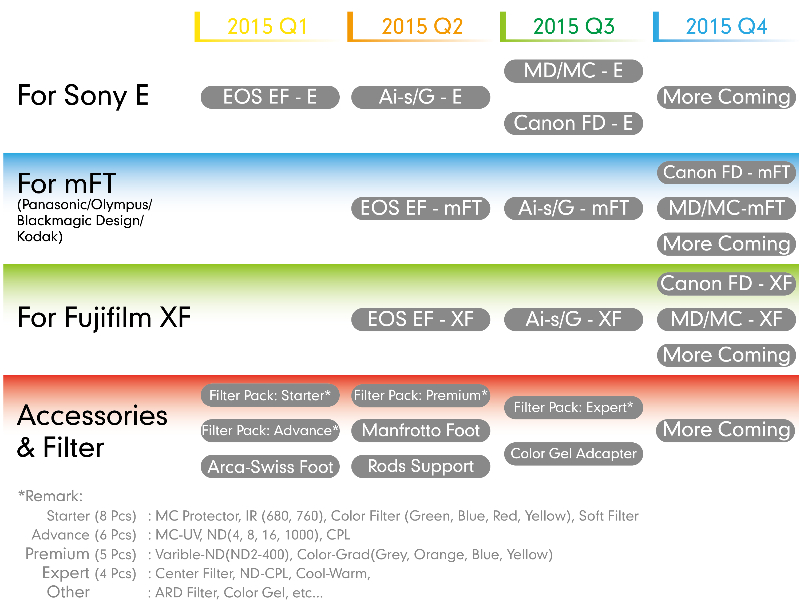
Well, cool, I guess. But…when I started using m43, legacy lenses were a neccesity, no longer. There are so many great native lenses available. Also, according to their roadmap, they aren’t producing an adaptor in OM mount? That’s the only legacy mount I have!
CES is a big show. But it is “*consumer* electronic show”. Traditionally, only P&S were announced there. Enthusiast/higher level gear made only a rare appearance.
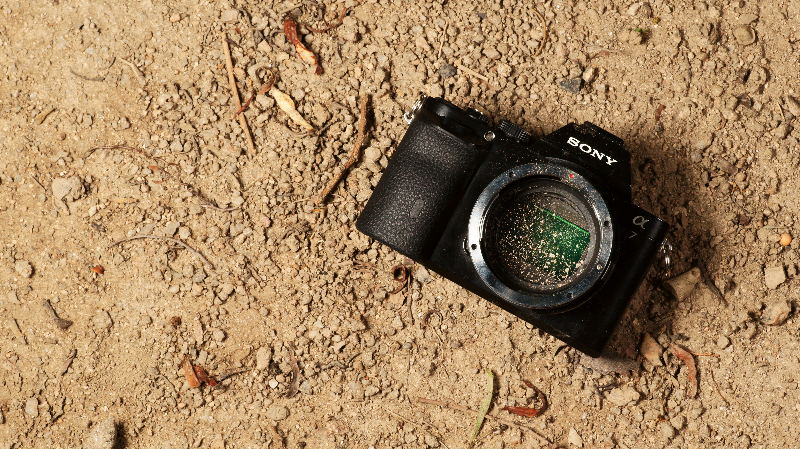
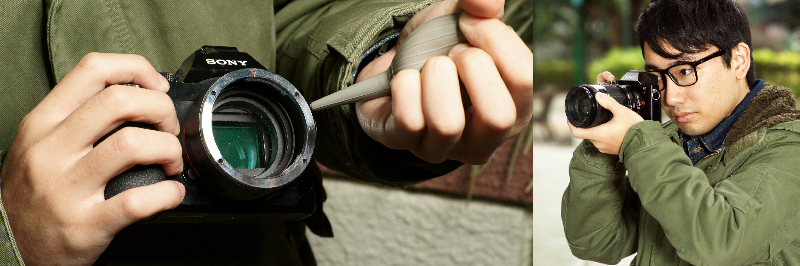
Once we used to pay attention.. Olympus already has the “supersonic wave filter”, that keeps away smaller bids of dust from the sensor. For bigger dust, if needed, I use a simple blower. I don’t see it as a necessary solution to an almost inexistent problem.
And still that Olympus supersonic wave filter technology is best out there.
How many remembers the time when Olympus presented that system and most people attacked the whole idea, how it ruins the image quality and it isn’t needed as the sensor cleaning is easy and simple task to do IF you managed to get somehow dust or dirt inside?
Years later and everyone is trying to add a own system to their bodies (and some of them even pulls dirt as they are electromagnetic).
One reason I didn’t like Sony A7 was its… “non-working” antidust system, even when they claim something like this: “a built-in anti-dust mechanism prevents particles from attaching to the sensor when you change lenses – no more spotty images.”
From professional photographers who shoot with Olympus can say one word about Olympus sensor cleaning system, “it just works”. We have swapped objectives in all kind environments from sandstorm to mudstorm or seastorm. Ever required to clean the sensor to get it clean.
But more problematic is still the objective rear lens as it can get dust or dirt and it being so close to image plane it can be a problem, but cleaning rear lens is easy.
The objective front lens isn’t even required to be cleaned often as dirt on it doesn’t affect to image quality, even a heavy damage is required (that you have broken lens) to get something visible or that you have 2-3cm size obstacle on it.
I have an A7 and I’m happy to report that the anti dust system seems to work very well. I ordered my A7 before they hit the shops so I’ve had it some time now and although it’s needed a few blasts with a rocket, as have my MFT cameras, it hasn’t required a wet clean… in over a year of use with many lens changes.
Specifically for M43 adapters, I doubt that it’s a good idea to add another optical element between lens and sensor, as the filter-stack glass block sitting on the sensor is already cause for significant image quality deterioration of adapted lenses and anything added to it will necessarily decrease sharpness somewhat further.
The only optical element I’ll insert between my E-M1 and my legacy lenses is the Metabones Speed Booster which is actually supposed to add corrections to reduce the negative effect of the filter-stack glass.
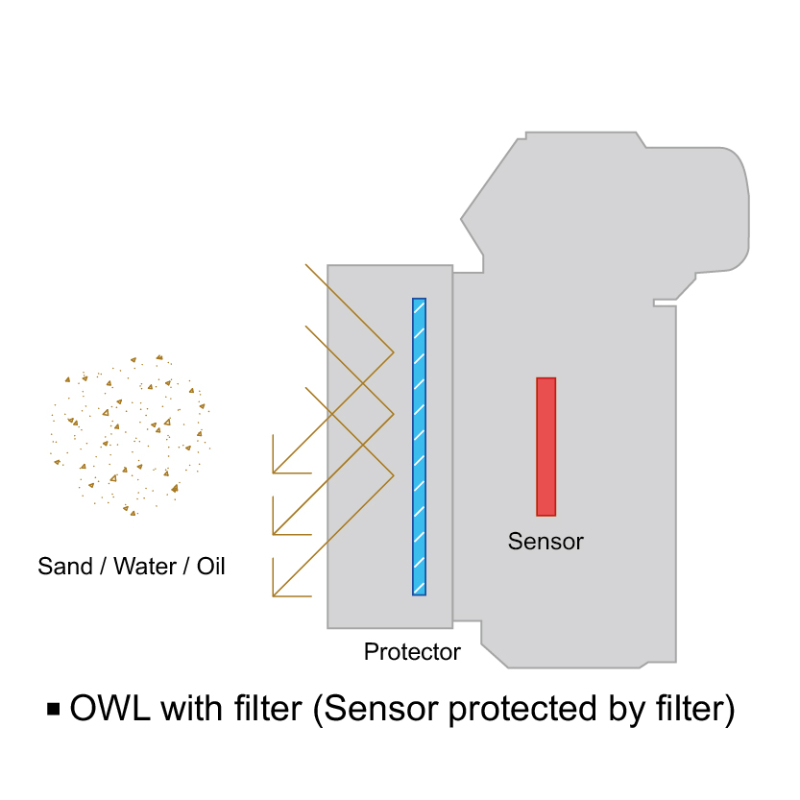
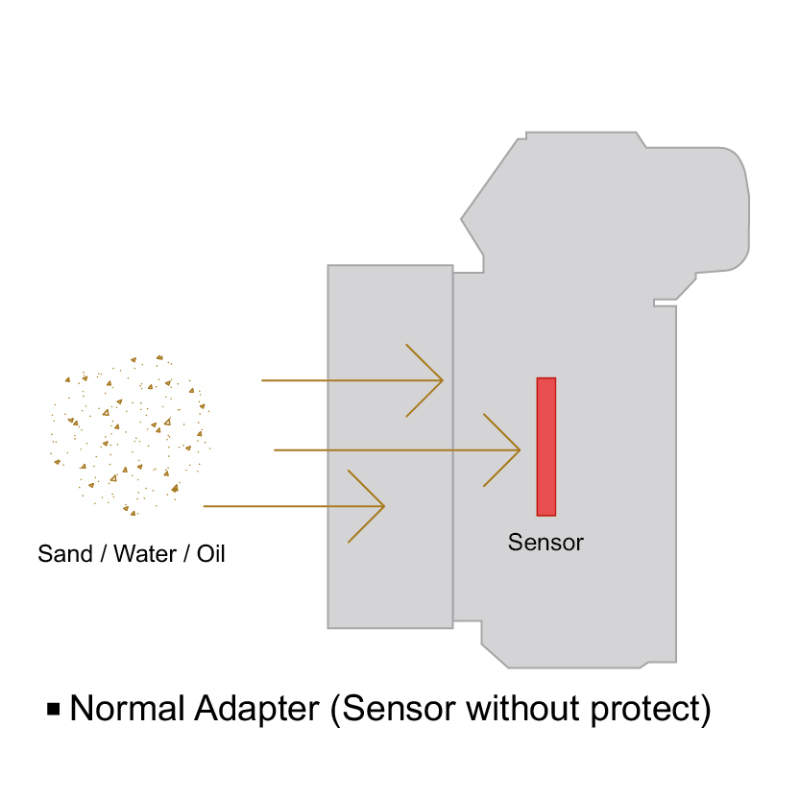
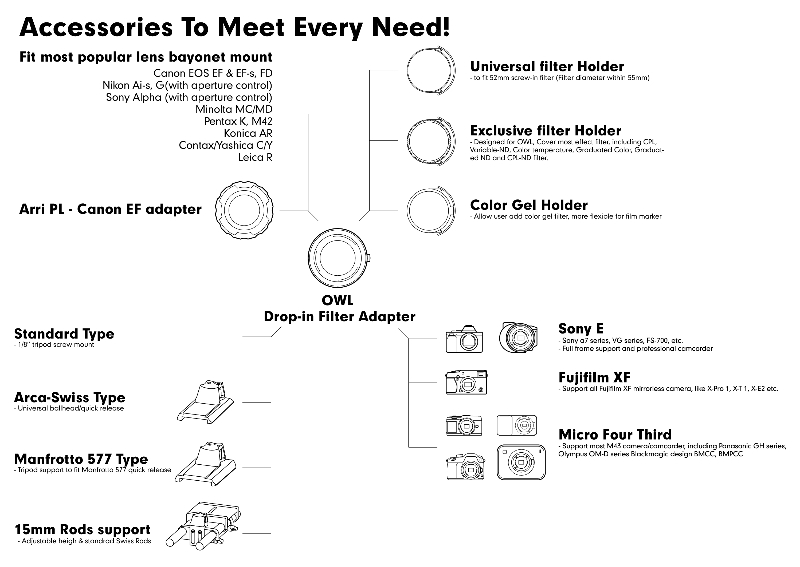
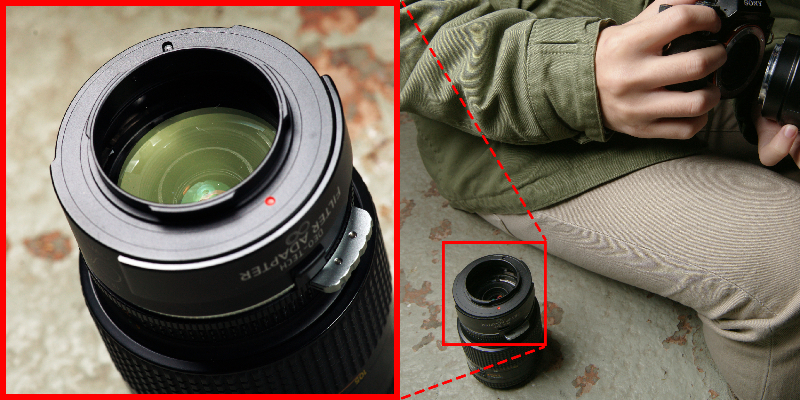
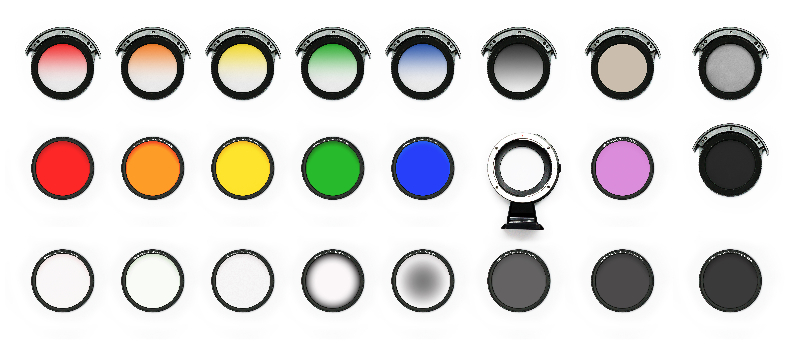
I think a lot of people seem to be confused about the true purpose of this device. Protecting the sensor is just a side benefit. It is actually meant to allow the use of drop in filters (color, ND, etc) with legacy lenses. The advantage of doing it this way is that a particular filter could be used with all lenses having the same mount, as opposed to needing multiple screw-in filters of different diameters.
Don’t forget polarizing filters and IR Filters, and …. well yea you get the idea.. There are filters we still use in the Digital world but I agree that those Color filters seem kinda pointless…










24 Responses
Well, cool, I guess. But…when I started using m43, legacy lenses were a neccesity, no longer. There are so many great native lenses available. Also, according to their roadmap, they aren’t producing an adaptor in OM mount? That’s the only legacy mount I have!
Using that, you will lose infinity with manual lenses.
No, you wouldn’t. It’s used on adapted lenses and is obviously made to achieve infinity focus just like on any adapter.
Don’t get me wrong, it’s a completely stupid idea that’ll never make money. But it’ll work.
Oh. I see I was totally wrong on at least two points.
WHERE IS THE BIG CES SHOW?
THER WAS NOTHING!
BULLSHIT–43rumors is waste of time..by
CES is a big show. But it is “*consumer* electronic show”. Traditionally, only P&S were announced there. Enthusiast/higher level gear made only a rare appearance.
This will probably introduce unwanted reflections in the optical system. I have reservations about this adapter.
Well, easy to wait for test reports or simply test it yourself. Good idea anyway.
Hee hee hee, owl droppins!
Yeah…and just as exciting, too….LOL!
Another product made for a problem that doesn’t exist.
The adaptor 4/3-M43 should have a drop-in design, for the 7-14mm lens.
That will be great if Olympus do this.
Once we used to pay attention.. Olympus already has the “supersonic wave filter”, that keeps away smaller bids of dust from the sensor. For bigger dust, if needed, I use a simple blower. I don’t see it as a necessary solution to an almost inexistent problem.
Not to say that it adds size to cameras.
Not more size than any other legacy-mount adapter, which is what this is, after all. It’s not even applicable for normal use with system lenses.
I’m looking at my L/M to m4/3 adapter, it’s 5, maybe 6mm thick. I doubt the OWL + filter will be as thin. Not a big problem, of course.
It would have to be exactly as thin, to preserve the ability to focus to infinity.
And still that Olympus supersonic wave filter technology is best out there.
How many remembers the time when Olympus presented that system and most people attacked the whole idea, how it ruins the image quality and it isn’t needed as the sensor cleaning is easy and simple task to do IF you managed to get somehow dust or dirt inside?
Years later and everyone is trying to add a own system to their bodies (and some of them even pulls dirt as they are electromagnetic).
One reason I didn’t like Sony A7 was its… “non-working” antidust system, even when they claim something like this: “a built-in anti-dust mechanism prevents particles from attaching to the sensor when you change lenses – no more spotty images.”
From professional photographers who shoot with Olympus can say one word about Olympus sensor cleaning system, “it just works”. We have swapped objectives in all kind environments from sandstorm to mudstorm or seastorm. Ever required to clean the sensor to get it clean.
But more problematic is still the objective rear lens as it can get dust or dirt and it being so close to image plane it can be a problem, but cleaning rear lens is easy.
The objective front lens isn’t even required to be cleaned often as dirt on it doesn’t affect to image quality, even a heavy damage is required (that you have broken lens) to get something visible or that you have 2-3cm size obstacle on it.
I have an A7 and I’m happy to report that the anti dust system seems to work very well. I ordered my A7 before they hit the shops so I’ve had it some time now and although it’s needed a few blasts with a rocket, as have my MFT cameras, it hasn’t required a wet clean… in over a year of use with many lens changes.
Specifically for M43 adapters, I doubt that it’s a good idea to add another optical element between lens and sensor, as the filter-stack glass block sitting on the sensor is already cause for significant image quality deterioration of adapted lenses and anything added to it will necessarily decrease sharpness somewhat further.
The only optical element I’ll insert between my E-M1 and my legacy lenses is the Metabones Speed Booster which is actually supposed to add corrections to reduce the negative effect of the filter-stack glass.
Let’s hope their products are better than their marketing
Is the M43 sensor even big enough to catch dust etc………
I think a lot of people seem to be confused about the true purpose of this device. Protecting the sensor is just a side benefit. It is actually meant to allow the use of drop in filters (color, ND, etc) with legacy lenses. The advantage of doing it this way is that a particular filter could be used with all lenses having the same mount, as opposed to needing multiple screw-in filters of different diameters.
sounds like most have read the title of the article, went no further as far as reading – and make their “professional assessment”
this will be great – looking forward to it coming out!
When was the last time anyone used a filter other than an ND? When Kodak still made Disc film?
Don’t forget polarizing filters and IR Filters, and …. well yea you get the idea.. There are filters we still use in the Digital world but I agree that those Color filters seem kinda pointless…