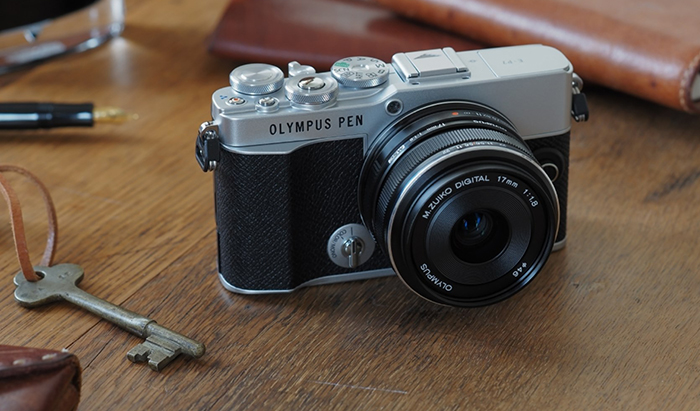
–On Reddit MFT shooters are commenting about the m4/3 fresh momentum suggests the system is enjoying a genuine resurgence. Based on the comments there are a couple of reasons why this is the case:
MFT cameras are renowned for portability—often a decisive factor for creators on the move. While full-frame bodies can offer advantages in absolute image quality and low-light performance, their size and weight can be a drawback for travel, street, and all-day shoots. MFT strikes a smart balance: high-quality results in a lightweight package.
A major strength of the MFT ecosystem is its extensive lens catalog shared across brands. Because the mount is common, photographers can mix and match lenses—from ultra‑wide to super‑telephoto, as well as macro and fast primes—without being locked into a single manufacturer. This breadth invites experimentation and makes it easier to build a kit that’s tailored to your style and budget.
Creators and influencers showcasing MFT setups have helped reshape perceptions around “small sensor” systems. Real‑world results—cinematic video, sharp telephoto work, and compelling street imagery—demonstrate that smaller cameras can deliver professional‑grade output when paired with the right technique and glass.
While Google Trends and other metrics prove MFT has gained some interest recently we truly need Panasonic and OM Digital to launch new cameras that do inspire confidence in the sytem.
I stumbled upon these Olympus E-P7 with Olympus 12mm lens images that went viral on Rednote in 2025. It just goes to show that Olympus cameras were really sexy. I hope OM Digital recognizes the potential for launching a new model!
If you’ve shopped for a truly pocketable mirrorless, you’ve heard the chorus: Panasonic GM1, GM1, GM1. It’s tiny, it’s stylish, and its cult status has pushed used prices into the stratosphere. But there’s a sleeper that quietly matches most of the GM1’s strengths, fixes several pain points, and costs a fraction of the price: the Olympus E‑PM2. Tom Calton tested the camera and these are his quick thoughts about it:
The elevator pitch
– Same excellent 16MP Micro Four Thirds sensor as the original OM‑D E‑M5 (and later, the GM1)
– Faster autofocus, built‑in IBIS, longer battery life, and a quicker mechanical shutter than the GM1
– Often sells for well under $200 with a kit lens
What it is (and why it was overlooked)
The E‑PM2 is the second—and last—of Olympus’s “Pen Mini” line. It launched under the shadow of the larger PENs and OM‑Ds and never got the hype its sensor and speed deserved. Years later, the GM1 is a style icon. The E‑PM2 is the quiet overachiever that never bragged.
Design and handling
Olympus fixed the original E‑PM1’s soap‑bar ergonomics with a small front grip and a rear thumb rest, making the E‑PM2 easier to hold and far less fumble‑prone. Add a slim wrist strap and you’ve got a carry‑all‑day street rig that stays glued to your hand. It’s still plastic and not a design trophy, but it’s practical—and that matters more when you’re shooting.
Performance that punches up
– Autofocus: Olympus’s contrast‑detect AF from the E‑M5 era was famously quick. On the E‑PM2, it’s snappy and confident, often quicker than the GM1 in like‑for‑like conditions.
– Stabilization: 2‑axis IBIS is built in. The GM1 has none. Even a modest IBIS system is a big quality‑of‑life upgrade in a pocket body.
– Shutter: Mechanical speeds up to 1/4000s on the E‑PM2 vs the GM1’s 1/500s mechanical limit (which forces you into electronic shutter for brighter scenes). More headroom for fast glass in daylight.
– Battery life: Expect meaningfully longer life than the GM1—handy for travel days where you want to stay light.
– Lenses: Thanks to the small grip and better balance, the E‑PM2 plays nicer with slightly larger primes and compact zooms than the GM1 typically does.
Image quality
Both cameras share the same 16MP sensor lineage, so output is more alike than different: detailed, flexible RAWs, and pleasing color. Olympus skews a touch cooler (sometimes with a hint of magenta), Panasonic a bit warmer. Dynamic range is solid for the generation, and high ISO is usable with thoughtful exposure and light noise reduction. ISO 3200 can work in a pinch; 6400 is survivable if you lean on modern denoising.
Video
Neither body is a modern video workhorse: both top out at 1080p/30. But the E‑PM2’s IBIS gives handheld clips a steadier look straight out of camera, reducing micro‑jitter and making casual travel footage or quick social clips more watchable.
Why anyone would still pick the GM1
– Premium build: metal, smaller footprint, and a more “jewel‑like” feel
– Better screen: higher‑resolution rear display with multi‑touch (pinch‑to‑zoom, etc.)
– Controls: a proper top mode dial and more polished touch UI
If aesthetic appeal, ultra‑tiny size, and premium materials are your priorities, the GM1 still charms.
The price gap (and why it matters)
– E‑PM2: Frequently $100–$200 used, often with a 14–42mm kit zoom
– GM1: Commonly $400–$600 used
That delta more than covers a fast prime, a spare battery, and a strap—arguably better performance upgrades than a prettier shell.
Practical buying tips
– Look to Japanese sellers (and reputable proxy services) for the widest selection and transparent grading; even with shipping, deals can be excellent.
– Ask for shutter count, check IBIS behavior (gentle clunk is normal; grinding is not), and confirm the touchscreen works.
– Prefer listings with the charger and at least one genuine battery.
Setup and shooting tips (E‑PM2)
– Enable the Olympus Super Control Panel (SCP) for quick access to ISO/WB/AF without diving the main menu.
– Assign a function button to ISO or AF mode, and set touch‑to‑focus for discreet street work.
– Pair it with: Panasonic 20mm f/1.7 (tiny and fast), Olympus 17mm f/1.8 (snappy AF), Olympus 45mm f/1.8 (portraits), or Panasonic 12–32mm (pancake zoom). All keep the kit pocket‑friendly.
Caveats
– Plastic build and simpler UI than the GM1
– 1080/30 video only, no headphone/mic niceties
– Lower‑resolution rear screen vs the GM1
Bottom line
If you chase the smallest, prettiest object, the GM1 is still irresistible. But if you want a tiny camera that’s easier to hold, faster to focus, more stable handheld, and cheaper by a mile—without giving up that proven 16MP Micro Four Thirds look—the Olympus E‑PM2 is the smarter buy. It’s the “compromise” you pick for the price and keep for the performance.